
Benefits of Osteopathy for Overall Health and Wellness
- Hassan Rizwan
- Jun 3
- 4 min read

Osteopathy is more than just a treatment for back pain; it is a holistic approach to health that emphasizes the interrelationship between the body's systems. By focusing on the musculoskeletal system, osteopathy aims to improve overall health and wellness. This blog post will explore the numerous benefits of osteopathy, how it works, and why it might be the right choice for you.

Understanding Osteopathy
Osteopathy is a form of manual medicine that was developed in the late 19th century by Dr. Andrew Taylor Still. It is based on the principle that the body has an inherent ability to heal itself. Osteopaths use a variety of techniques, including stretching, massage, and joint manipulation, to promote healing and restore balance.
The Principles of Osteopathy
The Body is a Unit: Osteopathy views the body as a whole, where each part affects the others. This means that issues in one area can lead to problems elsewhere.
Self-Healing: The body has the ability to heal itself. Osteopaths work to enhance this natural process.
Structure and Function: There is a direct relationship between the structure of the body and its function. By improving the structure, osteopathy can enhance function.
Benefits of Osteopathy
Pain Relief
One of the most well-known benefits of osteopathy is pain relief. Osteopaths can help alleviate pain in various areas, including:
Back Pain: Many people seek osteopathic treatment for chronic back pain. Techniques such as spinal manipulation can relieve tension and improve mobility.
Joint Pain: Osteopathy can be effective for joint pain, including arthritis. Gentle manipulation can help reduce inflammation and improve joint function.
Headaches: Tension headaches and migraines can often be alleviated through osteopathic techniques that address neck and shoulder tension.
Improved Mobility
Osteopathy can significantly enhance mobility, especially for those recovering from injuries or surgeries. Techniques used by osteopaths can help:
Increase Range of Motion: By addressing restrictions in the musculoskeletal system, osteopathy can improve flexibility and range of motion.
Enhance Posture: Poor posture can lead to various health issues. Osteopaths can provide guidance on improving posture, which can lead to better overall health.
Stress Reduction
Stress can have a profound impact on physical health. Osteopathy can help reduce stress through:
Relaxation Techniques: Osteopaths often incorporate relaxation techniques into their treatments, helping to calm the nervous system.
Mind-Body Connection: By focusing on the body's physical state, osteopathy encourages a greater awareness of how stress affects overall health.
Enhanced Circulation
Good circulation is essential for overall health. Osteopathy can improve circulation through:
Manual Techniques: Techniques such as soft tissue massage can stimulate blood flow, promoting healing and overall wellness.
Lymphatic Drainage: Osteopaths can assist in lymphatic drainage, which helps remove toxins from the body and supports the immune system.
Support for Chronic Conditions
Osteopathy can be beneficial for individuals with chronic conditions, including:
Asthma: Osteopathic techniques can help improve respiratory function and reduce symptoms.
Digestive Issues: Osteopathy can assist in alleviating digestive problems by addressing tension in the abdominal area.
Holistic Approach to Health
Osteopathy emphasizes a holistic approach to health, considering not just physical symptoms but also emotional and lifestyle factors. This can lead to:
Personalized Treatment Plans: Osteopaths take the time to understand each patient's unique situation, creating tailored treatment plans that address individual needs.
Lifestyle Guidance: Osteopaths often provide advice on lifestyle changes, including exercise, nutrition, and stress management, to support overall health.
Who Can Benefit from Osteopathy?
Osteopathy is suitable for people of all ages, from infants to the elderly. It can be particularly beneficial for:
Athletes: Osteopathy can help athletes recover from injuries and improve performance.
Pregnant Women: Osteopathy can alleviate discomfort during pregnancy and prepare the body for labor.
Older Adults: Osteopathy can help manage age-related conditions and improve mobility.
What to Expect During an Osteopathic Session
Initial Consultation
During your first visit, the osteopath will conduct a thorough assessment, which may include:
Medical History: Discussing your medical history and any current symptoms.
Physical Examination: A physical examination to assess posture, movement, and areas of tension.
Treatment Techniques
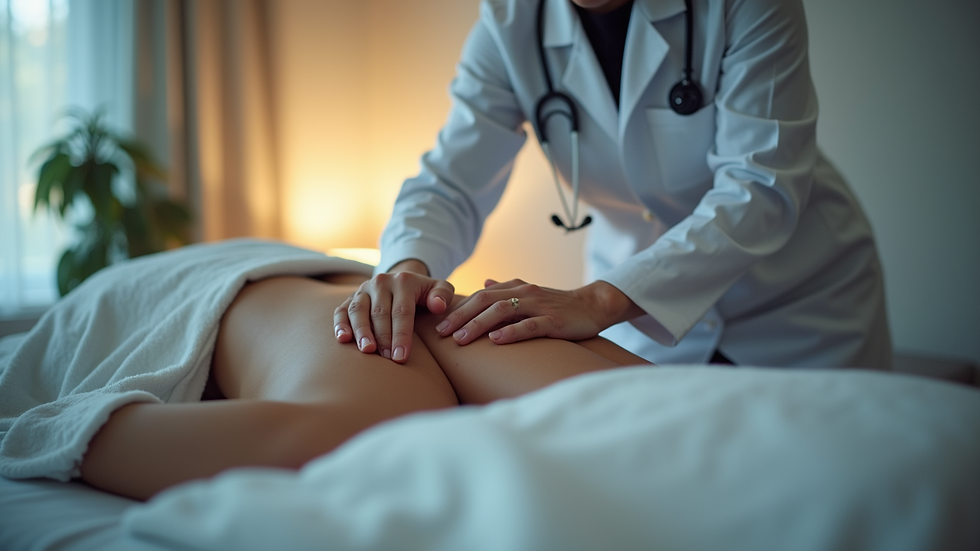
Osteopathic treatment may involve various techniques, including:
Soft Tissue Manipulation: Gentle massage and stretching to relieve tension.
Joint Mobilization: Techniques to improve joint function and reduce pain.
Follow-Up Care
Osteopathy often involves follow-up sessions to monitor progress and adjust treatment plans as needed. Your osteopath may also provide exercises or lifestyle recommendations to support your recovery.
Conclusion
Osteopathy offers a holistic approach to health and wellness, addressing not just physical symptoms but also the underlying causes of discomfort. With benefits ranging from pain relief to improved mobility and stress reduction, it can be a valuable addition to your healthcare routine. If you are considering osteopathy, consult a qualified practitioner to discuss your specific needs and explore how this approach can support your overall health.
By embracing the principles of osteopathy, you can take a proactive step toward achieving better health and wellness. Whether you are dealing with chronic pain, recovering from an injury, or simply looking to enhance your overall well-being, osteopathy may provide the support you need.

Comments